

Why “The Hobbit” Still Feels Like a Warm Hug, Even as an Adult
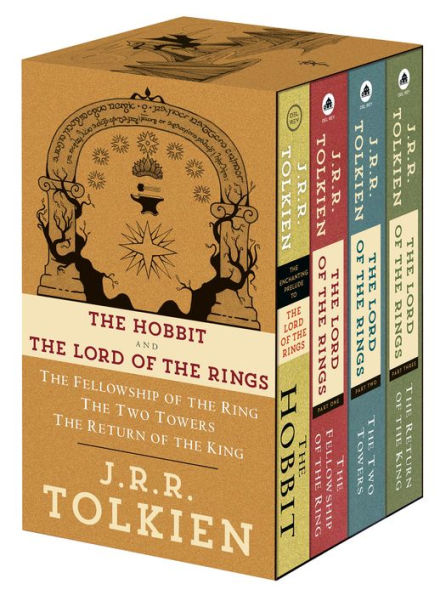
I first read “The Hobbit” when I was 10 years old. My mom picked it up for me at a used bookstore, its cover worn and creased, the pages yellowed with age. I’d heard of J.R.R. Tolkien before—my older cousin wouldn’t stop talking about “The Lord of the Rings”—but I was nervous it would be too big, too complicated, for a kid who mostly read picture books and simple chapter stories. But from the first page, I was hooked. Bilbo Baggins, the cozy, home-loving hobbit who just wanted to sit by his fire with a cup of tea, was someone I instantly connected with. Now, 15 years later, I picked it up again—and it felt like coming home. “The Hobbit” isn’t just a kids’ adventure story; it’s a tale about courage, friendship, and finding strength you never knew you had. And it’s still one of the most comforting books I’ve ever read.
What I love most about Bilbo is that he’s not a hero—not at first, anyway. He’s not brave, or strong, or eager for adventure. He likes his quiet life in the Shire: his hobbit-hole with all its comforts, his meals (lots of meals), his routine. When Gandalf shows up at his door, talking about dragons and treasure and far-off lands, Bilbo’s first instinct is to say no. He’s scared, and that’s okay. I remember being 10 and thinking, “I’d do the same thing.” Even now, as an adult who’s had to step out of my comfort zone a few times, I get it. Change is scary, and adventure is messy, and sometimes all you want is to stay home where it’s safe. But what Tolkien does so beautifully is show that courage isn’t the absence of fear—it’s doing something even when you’re terrified.
The journey Bilbo takes with Gandalf and the dwarves is equal parts thrilling and silly, dangerous and heartwarming. I found myself laughing out loud at the dwarves’ bickering over food, cringing when they’re captured by goblins, and holding my breath when Bilbo meets Gollum in the dark, slimy caves of the Misty Mountains. That scene with Gollum—with the riddle game, the “precious” ring, Bilbo’s quick thinking—has stuck with me all these years. As a kid, I thought it was just a fun, spooky part. As an adult, I see it differently: it’s the moment Bilbo starts to realize he’s braver than he thinks. He doesn’t defeat Gollum with strength; he outsmarts him, using his wits and a little bit of luck. It’s a reminder that you don’t have to be the biggest or the strongest to make a difference.
Tolkien’s writing is another thing that makes this book so special. He doesn’t just tell you about Middle-earth—he paints it for you. The green hills of the Shire, the misty peaks of the Misty Mountains, the dark, glittering halls of Erebor (the Lonely Mountain) feel so real, like you could step through the pages and walk there. His descriptions are detailed but never boring; they make you feel like you’re right there with Bilbo and the dwarves, freezing in the snow, hiding from trolls, or marveling at the beauty of Rivendell. And his characters—from the grumpy but kind Thorin, to the wise and whimsical Gandalf, to the sneaky but tragic Gollum—are so well-written, so human (even the non-human ones), that you can’t help but care about them.
One thing that surprised me on this re-read was how much I related to Bilbo as an adult. When I was a kid, I loved his adventure, his courage, his ability to get out of tight spots. Now, I love his homesickness. I love that even as he’s off fighting dragons and exploring new lands, he misses his hobbit-hole, his tea, his quiet life. I love that he doesn’t become a different person—he just becomes a braver version of himself. He still loves comfort, still enjoys a good meal, still values peace over conflict. That’s something I’ve come to appreciate as an adult: growth doesn’t mean changing who you are; it means becoming more of the best version of yourself.
I also noticed how much heart this book has. It’s not just about treasure or defeating a dragon (though Smaug is pretty epic). It’s about friendship. The dwarves start off seeing Bilbo as a useless burden, but by the end, they’re willing to fight for him. Bilbo, in turn, risks his life to help them, even when he’s scared out of his wits. It’s about loyalty, and kindness, and the idea that even the smallest, most ordinary person can be a hero. As a kid, I didn’t fully get that— I was too focused on the adventure. Now, it’s the heart of the book that stays with me.
I’ve read “The Hobbit” more times than I can count now, and it never gets old. Sometimes I read it when I’m feeling stressed, or sad, or just need a break from the chaos of adult life. It’s like a warm hug, a reminder that even in the darkest, scariest moments, there’s courage within us, there’s friendship to lean on, and there’s always a home to come back to. It’s a book that grows with you—what you take from it as a kid is different from what you take from it as an adult, but it’s always meaningful.
If you’ve never read “The Hobbit,” or if you haven’t picked it up since you were a kid, I urge you to give it a try. It’s not just a “kids’ book”—it’s a book for anyone who’s ever been scared to step out of their comfort zone, anyone who’s ever missed home, anyone who’s ever wondered if they’re brave enough. Tolkien doesn’t just tell a story—he gives you a friend in Bilbo, a world to escape to, and a reminder that courage is just taking one small step, even when you’re terrified.
For me, “The Hobbit” is more than a book. It’s a memory of my childhood, a comfort in my adulthood, and a reminder that the best adventures aren’t just about where you go—they’re about who you become along the way. And that’s why, after all these years, it’s still my favorite. Bilbo Baggins would probably approve—with a cup of tea in hand, of course.
